

Picture a quiet Saturday arvo in regional New South Wales – a cold one drifts past the verandah, the kettle ticks, and your phone buzzes with a group chat arguing over whether to cash out at 2x or hold for 10x. That small moment of “cash out now or hold” is exactly the pulse of online casino crash games explained properly. In 2026, the format has matured from a crypto novelty into a fully licensed product category, and Australian players deserve a straight account of what actually happens between the bet and the multiplier.
Where the Format Sits on Trust, Licensing and Account Controls
Crash sits in a peculiar corner of the regulated market, so trust and tooling matter more here than in slot libraries. The reputable rooms running crash in Australia are licensed in jurisdictions such as Curaçao, Isle of Man or the Maltese Gaming Authority, which means customer funds segregation, KYC on first withdrawal, and dispute routes to the licensing body. Any room that hides its licence number in a footer link is one to walk past.
Account controls are stronger than most players expect. At well-run brands, deposit caps, time-out windows, loss limits and reality checks are configurable the moment registration completes – not buried after the first deposit. After twelve years selling compliance and risk software into gaming operators, I have seen the back end of these tools, and the good ones match what banks require for transaction monitoring: per-bet logging, IP tracking, and session telemetry that flags chasing behaviour automatically. Privacy is treated with the same seriousness, with Australian user data housed under GDPR-equivalent controls rather than sold into marketing pools.
How the Game Itself Works Without the Jargon
Each round starts the moment the previous one ends. Players place a stake in a 0.5-5 second window, then watch a multiplier begin at 1.00x and climb along an exponential curve – slowly at first, then with sharper stair-steps as it pushes past 10x, 50x, even 100x. At some unpredictable instant the game “crashes” and the line resets. Any player who cashed out before the crash keeps stake × multiplier; everyone still in loses the round.
The mathematical backbone is a provably fair system, usually a three-part server seed, client seed and nonce combined through SHA-256 hashing. Before a round begins the hashed result is published; after the round ends, the unhashed inputs become visible, letting you verify the outcome was fixed the moment betting closed. Each licensed studio – Spribe, SmartSoft, Gamzix, and the newer BGaming crash line – exposes this verification tool prominently, because provability is the crash game’s only real defence against player suspicion.
Strategy, Bankroll Discipline and the Real Edge
Strategy in crash is mostly about how you manage the cash-out line, not how you predict the curve. The curve cannot be predicted by definition, so the only lever you pull is your own discipline. Conservative players auto-cash at 1.5x or 2x for a high hit-rate grind; aggressive players run manual exits in the 5-20x range and accept long losing streaks as the cost of occasional big prints; hybrid players place two bets per round – one early cash-out to lock in a small win, one to ride.
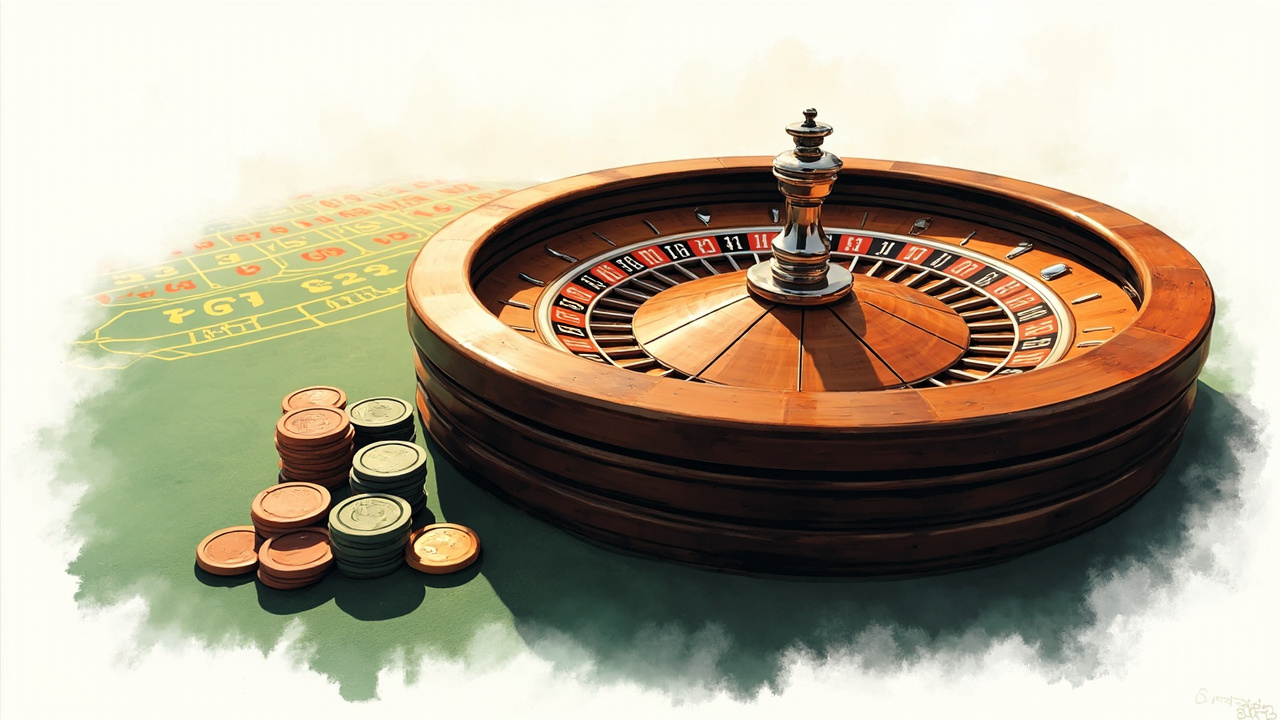
From a sales and operations background, the honest verdict is that crash feels gentler than slots because the action is continuous and the outcomes feel earned, but the house edge usually runs 3-5% per round, which is comparable to roulette. Your real edge comes from the tools around the game: setting a hard session budget before the first round, capping losses at 20% of that budget, and walking away when either limit is hit. Two-bet hedging reduces variance but doubles your per-round action, so the time-on-device climbs even when losses stay flat. Play Real Money Casino Games With
Player Fit, Responsible Play and the Final Verdict
The crash format genuinely suits Australian adults who already enjoy sports betting’s rhythm and want something faster without giving up control. It does not suit anyone chasing losses, anyone who treats the multiplier as a signal to be read, or anyone who cannot pause a session mid-round without frustration. If you recognise the second list, the format is not for you regardless of how cleanly the room is licensed.
It also rewards a clear head and a firm exit point, which is why many seasoned punters gravitate toward it after a long day at the track. For readers ready to explore the format under a licensed banner, the platform at https://clubhouse-casin0.com/ offers a straightforward entry point with responsible-play tools in place. Treat the link as a starting line, not a finish line, and you will get the most out of every round.
Stick with brands that publish a Curaçao or MGA licence number, surface provably fair verification on every result, and offer deposit caps, reality checks and self-exclusion the moment your account opens. Use those tools on day one, not after the first big round, and treat the 3-5% edge as the real cost of the entertainment rather than an obstacle to be beaten.

Quick glossary
- Multiplier – the rising number shown each round, starting at 1.00x and ending at the crash point.
- Auto cash-out – a preset multiplier at which the system sells your bet without a click.
- Provably fair – a cryptographic system that lets you confirm each round’s outcome was fixed before betting closed.
- House edge – the operator’s built-in advantage per round, typically 3-5% in crash.
- KYC – Know Your Customer identity checks required by licensing rules before your first withdrawal.